
Maintaining a Texas Wildlife Agricultural (Ag) Exemption requires more than owning land — it requires active, ongoing wildlife management. One of the most accessible and effective tools landowners can use to meet habitat management requirements is native wildflower seed balls.
When used correctly, seed balls support qualifying wildlife practices by restoring native habitat, improving forage for pollinators, and increasing biodiversity — all core objectives of Texas wildlife management plans.
How Wildlife Ag Exemption Works in Texas
To maintain a wildlife ag exemption, landowners must manage their property for wildlife instead of traditional agricultural production. The state recognizes seven wildlife management practices, and landowners must actively implement at least three.
One of the most commonly used and documented practices is Habitat Control (Habitat Management) — restoring and maintaining native plant communities that wildlife depend on.
The Texas Parks and Wildlife Department consistently emphasizes the importance of native vegetation in wildlife habitat plans because it supports:
- Food sources
- Cover and nesting habitat
- Insect populations essential to birds and mammals
Why Seed Balls Qualify as Habitat Control
Wildflower seed balls directly support habitat control by reintroducing native flowering plants into landscapes that may be overgrazed, compacted, or dominated by invasive species.
Seed balls qualify as a wildlife management tool because they:
- Restore native plant diversity
- Provide nectar and pollen for bees, butterflies, and other insects
- Increase insect populations that support birds and small mammals
- Improve soil health and ground cover over time
For wildlife exemption purposes, native wildflowers are not ornamental — they are a functional food source within the ecosystem.
Using Native Species Is Critical for Compliance
Only Texas-native wildflowers should be used for wildlife ag exemption projects. Non-native or decorative mixes may not provide meaningful wildlife value and could weaken your documentation.
Recommended native species often include:
- Milkweeds (essential for monarch butterflies)
- Indian blanket
- Coreopsis
- Native sunflowers
- Native legumes for soil nitrogen support
Selecting region-appropriate species (Hill Country, Blackland Prairie, South Texas Plains, etc.) strengthens the biological justification of your management plan.
When to Apply Seed Balls for Wildlife Management
Timing matters when your goal is habitat establishment rather than decorative planting.
Best application periods in Texas:
- Fall (September–November): Aligns with natural seed drop and supports spring germination
- Late Winter to Early Spring (February–March): Works well with seasonal rainfall
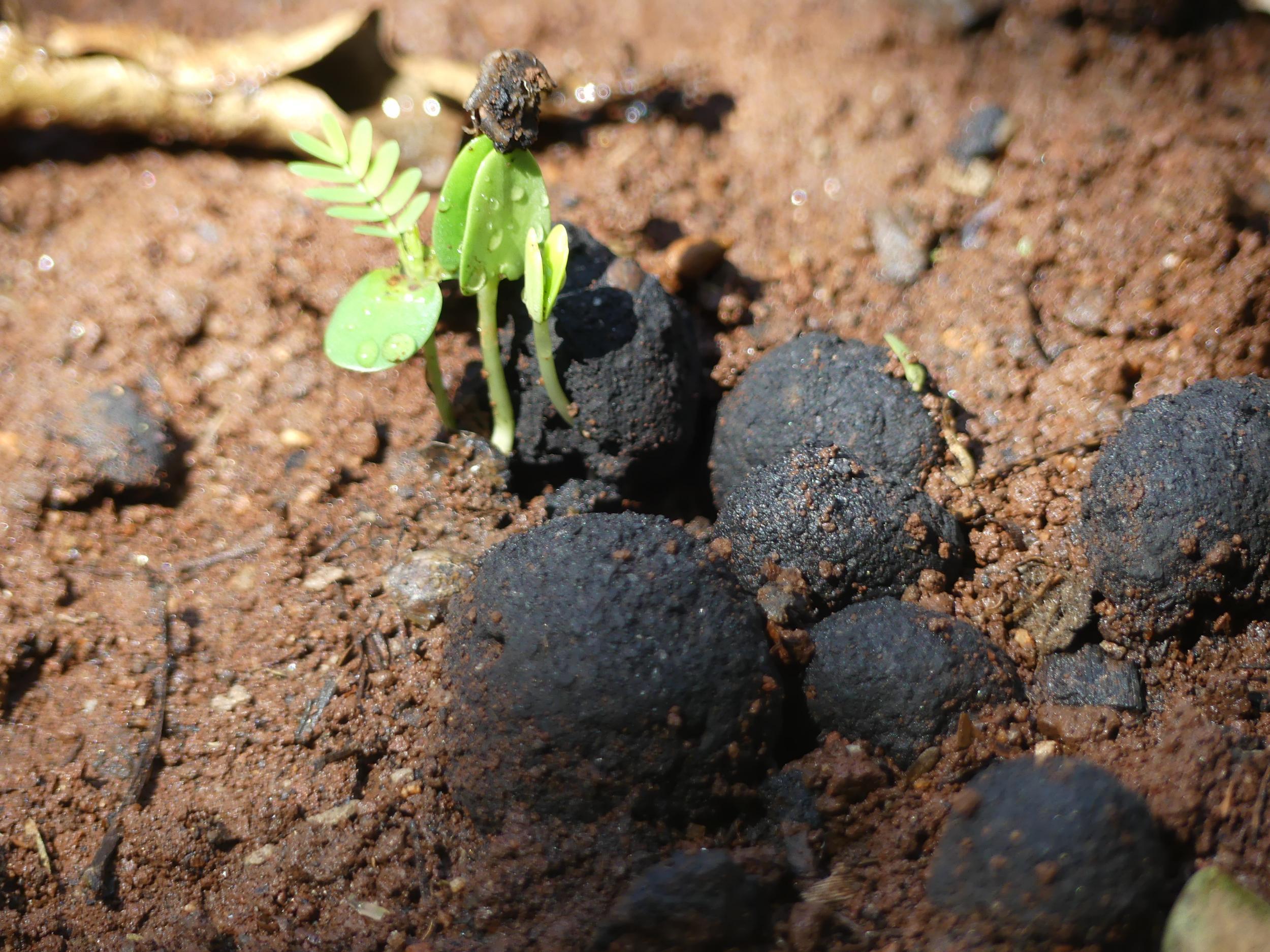
Apply seed balls immediately before forecasted rain to ensure clay breakdown and seed activation.
How to Apply Seed Balls on Wildlife-Managed Land
Seed balls are ideal for wildlife projects because they require no tilling, no irrigation, and minimal soil disturbance.
Best practices:
- Target open areas, field edges, buffer zones, and food plot borders
- Avoid dense turf or heavily shaded areas
- Scatter seed balls evenly by hand or bucket
- Do not bury — natural rainfall will integrate them into the soil
This low-impact method aligns well with conservation-based land stewardship.
Documenting Seed Ball Use for Appraisal Review
Documentation is essential for wildlife ag exemption compliance.
When using seed balls, landowners should:
- Photograph application areas before and after
- Record dates of application
- List native species used
- Note acreage treated
- Include seed ball planting under Habitat Control activities
Clear records demonstrate intentional wildlife management if reviewed by your county appraisal district.
Final Takeaway
Native wildflower seed balls are a practical, defensible tool for Texas landowners managing land under a wildlife ag exemption. When used with native species, proper timing, and good documentation, seed balls directly support habitat control — one of the most important wildlife management practices recognized in Texas.
For landowners focused on compliance, conservation, and long-term habitat health, seed balls are a simple way to work with the land and meet wildlife management goals.
Important Use & Compliance Notice
Wildlife ag exemption requirements vary by county appraisal district and property history.
Use of wildflower seed balls alone does not guarantee qualification or continuation of wildlife agricultural valuation.
Landowners are responsible for:
- Confirming eligible practices with their local appraisal district
- Maintaining appropriate documentation and activity records
- Implementing wildlife management at a scale consistent with their acreage
These seed balls are a habitat-supporting tool, not a substitute for an approved wildlife management plan.
Recommended Documentation Language
Landowners may document use as:
Native wildflower establishment for pollinator support and habitat enhancement.